
Fostering Independence at Home for Individuals with IDD
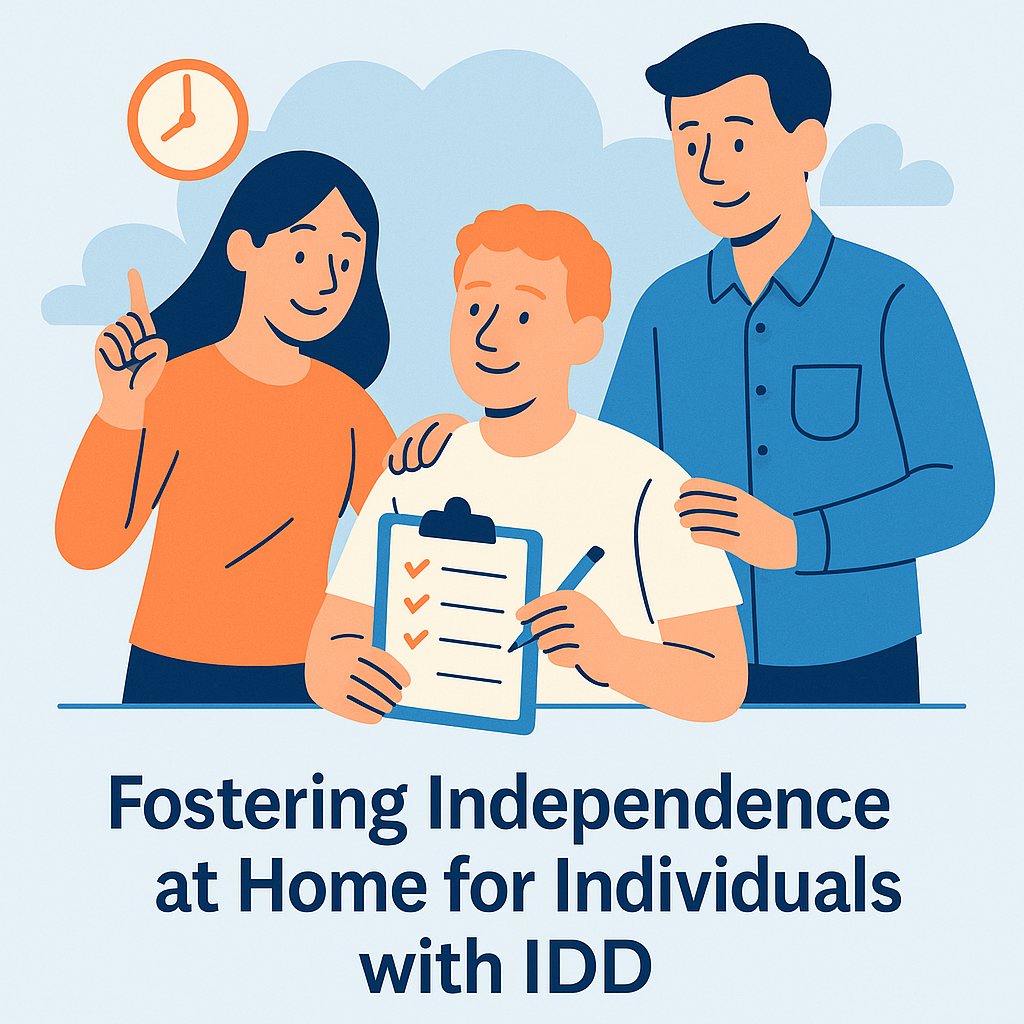
Building Confidence, One Routine at a Time
At North Carolina Life of Rehabilitation (NCLR), we believe independence begins at home.
Small, consistent routines can empower individuals with intellectual and developmental disabilities (IDD) to participate in daily tasks, make choices, and develop self-reliance.
When families create supportive home environments, they are not just teaching life skills — they are building dignity and confidence that carry over into every area of life.
Practical Ways to Encourage Independence
1. Involve, don’t replace.
Instead of doing everything for the individual, invite them to take part in household activities. Folding clothes, setting the table, or helping with meal prep are great confidence builders.
2. Use structure and consistency.
Visual schedules, checklists, or simple daily routines help create predictability and reduce anxiety. These tools can make tasks feel achievable and reinforce a sense of control.
3. Celebrate effort, not perfection.
Positive reinforcement encourages persistence. Praise progress, even if it seems small — independence grows through encouragement and patience.
Support from the NCLR Team
Families in Charlotte and across North Carolina rely on NCLR’s expertise to create customized support plans that promote independence safely and effectively.
Through programs such as Residential Services, Community Networking, and Supported Employment, we help individuals learn skills that extend from the home into the community.
Our approach combines compassionate care with evidence-based strategies, ensuring that each person’s abilities and choices are respected and nurtured.
A Home That Empowers
Independence is not just a goal — it is a right.
At NCLR, we believe every person deserves the tools and encouragement to live with purpose and autonomy, starting right where they are: at home.
